Raleigh's Historic Neighborhoods: A Designer's Guide to Character-Rich Interiors
There's a ceiling medallion in my dining room that's been giving me something to think about.
It doesn't fit the architectural language of my 1920s Craftsman home in Boylan Heights. The style feels off for the period, a little too ornate for the grounded, natural aesthetic that Craftsman homes are known for. I've been noodling on the right solution after discovering it is covering a hole in the original wood ceiling: maybe there's a more historically accurate approach, or this is a spot where we do something intentionally different — a clear design choice rather than trying to mimic something that was never there in the first place.
It's exactly the kind of question I work through with clients all the time. Historic homes tell stories through their architectural details, and our job as designers and homeowners is to honor those stories while making these spaces work for the way we actually live.
Victorian homes feature distinctive feminine floral details and decorative flourishes that guide interior design decisions.
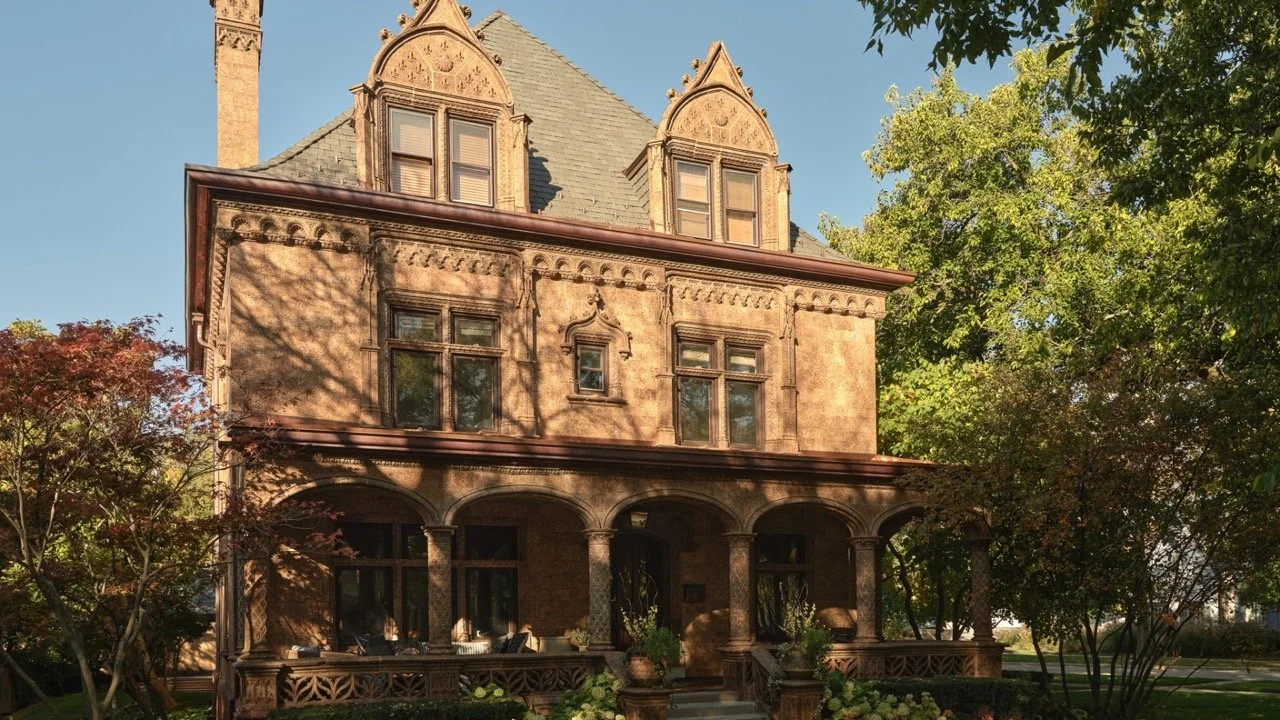
Victorian homes feature distinctive feminine floral details and decorative flourishes that guide interior design decisions.
Why Historic Homes Are Different (And Why That Matters)
When you walk into a century-old home, you feel the difference immediately. It's in the weight of the doors, the warmth of old-growth hardwood underfoot, light filtering through wavy glass panes. These aren't just aesthetic details; they represent craftsmanship and materials that would cost a fortune to recreate today.
Think about what you're getting: hand-laid plaster walls with texture that drywall can't match. Staircases built from dense, old-growth wood are sturdier than anything available now. Original trim and molding with profiles you'd pay thousands to custom-mill today. Stained glass, built-in cabinetry, and architectural elements that showcase skills many craftspeople no longer practice.
These houses have lasted 100 years because they were built to last. The bones are typically sound—it's the systems (plumbing, electrical, HVAC) that need updating, not the structure.
What draws me to historic architecture is the story already embedded in the space. There's an existing architectural language, an established character that guides decisions. Rather than facing the overwhelming blank slate of new construction, you're building on something with depth and history. I find that framework liberating; it gives us parameters while still allowing creative expression.
Raleigh's Historic Neighborhoods: Each One Has Its Own Personality
Raleigh's historic districts aren't interchangeable. Each neighborhood has distinct architectural characteristics that reflect when it was developed and who built there.
Oakwood is probably the most well-known, with homes from the late 1800s and early 1900s. You'll find Victorian-era houses with feminine floral details and decorative flourishes, though many here take a more casual approach to Victorian style than you'd see in other cities.
Boylan Heights, where I live, tends toward Craftsman and bungalow styles from the 1920s and '30s. The architectural language is more grounded: built-in cabinetry, wood ceilings, simpler trim profiles, and a connection to natural materials. There's a coziness to these homes, with smaller room sizes that lend themselves to the intimate, lived-in feeling I love creating.
Cameron Park developed slightly later with a beautiful mix of styles—Tudor Revival, Colonial Revival, Mediterranean influences, alongside Craftsman homes. This diversity offers interesting design opportunities; the neighborhood itself has a varied character.
These are just a few of the historic neighborhoods in Raleigh, but understanding the context of each matters. The architecture and history can guide your interior design choices—a dramatic crystal chandelier might be perfect in a Victorian Oakwood home, but feel wrong in a modest Boylan Heights bungalow. The neighborhood's architectural personality provides a starting point for everything from lighting and millwork to overall mood.
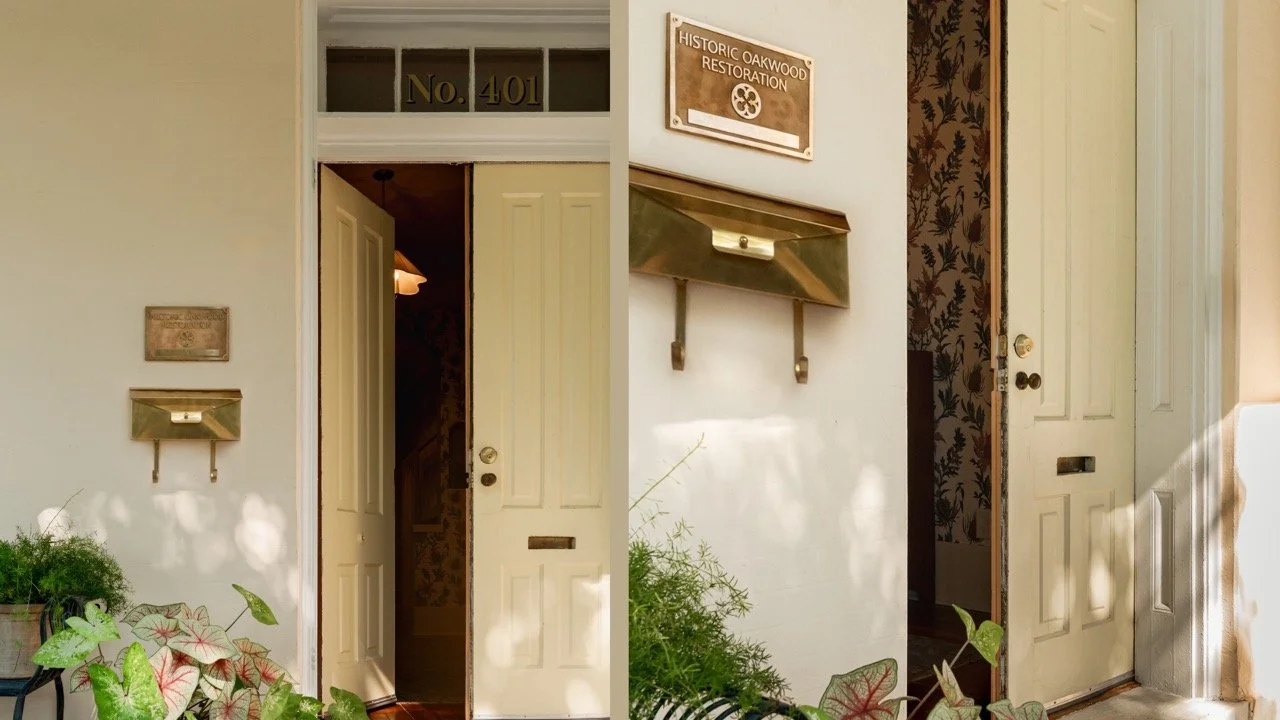
Original architectural details like these painted wood doors and brass hardware are irreplaceable. They represent craftsmanship that would cost a fortune to recreate today.
My Approach to Historic Home Design
My philosophy is straightforward: the shell of the house — anything on walls, floors, and ceilings — should reflect the architecture and feel like it was always there. But furnishings? We're not creating a time capsule..
Architectural interior design should stay true to the period and style. If we're adding new trim, baseboards, or crown molding, we custom-mill it to match the original profiles. If we're replacing windows, we source or replicate the original wood style. When creating new built-ins or updating a fireplace mantel, I look at other architectural details—maybe there's interesting fretwork on the staircase or a distinctive motif in the crown molding—and echo those elements in the new work.
Fireplaces are particularly important to get right. I see so many "updated" in ways that completely ignore the home's architecture, throwing off the entire room. Restoring or recreating a period-appropriate mantel and surround is worth the investment.
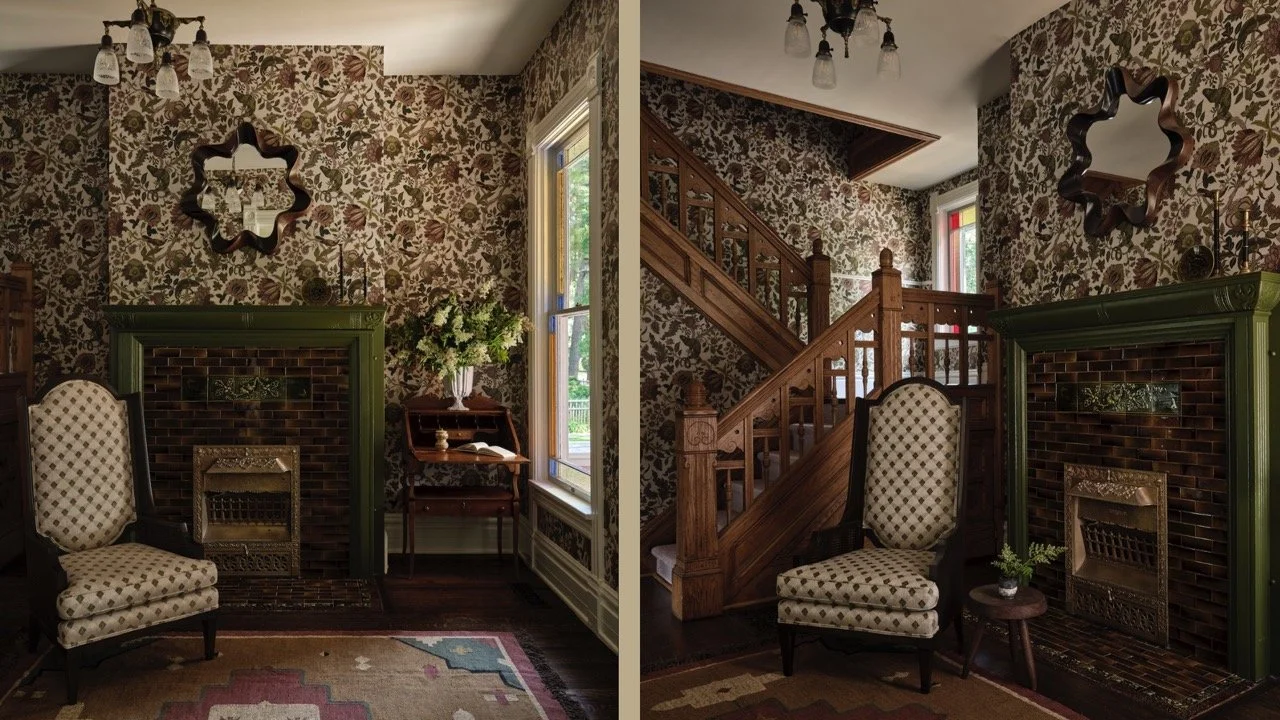
Period-appropriate fireplace mantels and surrounds anchor this room.
Hardwood floors deserve the same attention. When we replace flooring, I'm committed to laying new boards that match the original as closely as possible, sometimes sourcing reclaimed wood, sometimes just finding the right species and finish. It's an art form, but achieving that seamless look is worth the effort
Here's where you have freedom: paint color, furnishings, fabrics, accessories. Bring in vintage alongside modern pieces, experiment with bold patterns and moody palettes, and inject your personal style. The architectural envelope stays historically consistent, but the layers on top can be eclectic, collected, and entirely your own.

Victorian floral motifs inspired this bold botanical wallpaper choice. Honoring the home's character while adding fresh personality.
In our Oakwood project, Victorian architectural details (those feminine floral motifs) inspired the bold botanical wallpaper and layered patterns throughout. The furnishings mixed vintage heirlooms with custom pieces and contemporary finds, but trim, windows, and architectural elements stayed true to that 1890s character.
The Local Craft Connection
Working on historic homes requires specialized skills that are becoming harder to find. Building relationships with local craftspeople who understand old houses is critical.
Plaster restoration is perhaps the hardest specialty to source. Plaster walls have texture and quality that drywall can't match, but finding someone who can properly restore them is increasingly rare. When you find a skilled plasterer, hold onto them. Same with custom millwork—you need local woodworkers who can replicate historical trim profiles and create built-ins that feel authentic to the period.
Stone masons who understand historic techniques matter for fireplace restoration. I've worked with incredible craftspeople like Atelier Jouvence in Chicago, who do stunning custom stonework for historic fireplaces.
These craftspeople aren't just doing work for hire—they're preserving skills and techniques that connect us to how these houses were originally built. Supporting them supports both your project quality and the continuation of these trades in our community.
The Real Talk: Challenges and Considerations
I'd be doing you a disservice if I didn't acknowledge that historic homes come with challenges. Let me be honest about what you're signing up for.
Layout quirks are common. Rooms might be smaller than you're used to, laid out in ways that don't align with modern, open-concept preferences. Sometimes we can open up walls (carefully, respecting the architecture), but sometimes you work with the footprint you have.
Light can be tricky. Historic homes weren't designed for bright, sun-flooded spaces. Windows may be smaller or positioned differently than in new construction. I lean into this rather than fight it—those moodier, more intimate spaces lend themselves beautifully to cozy, layered design.
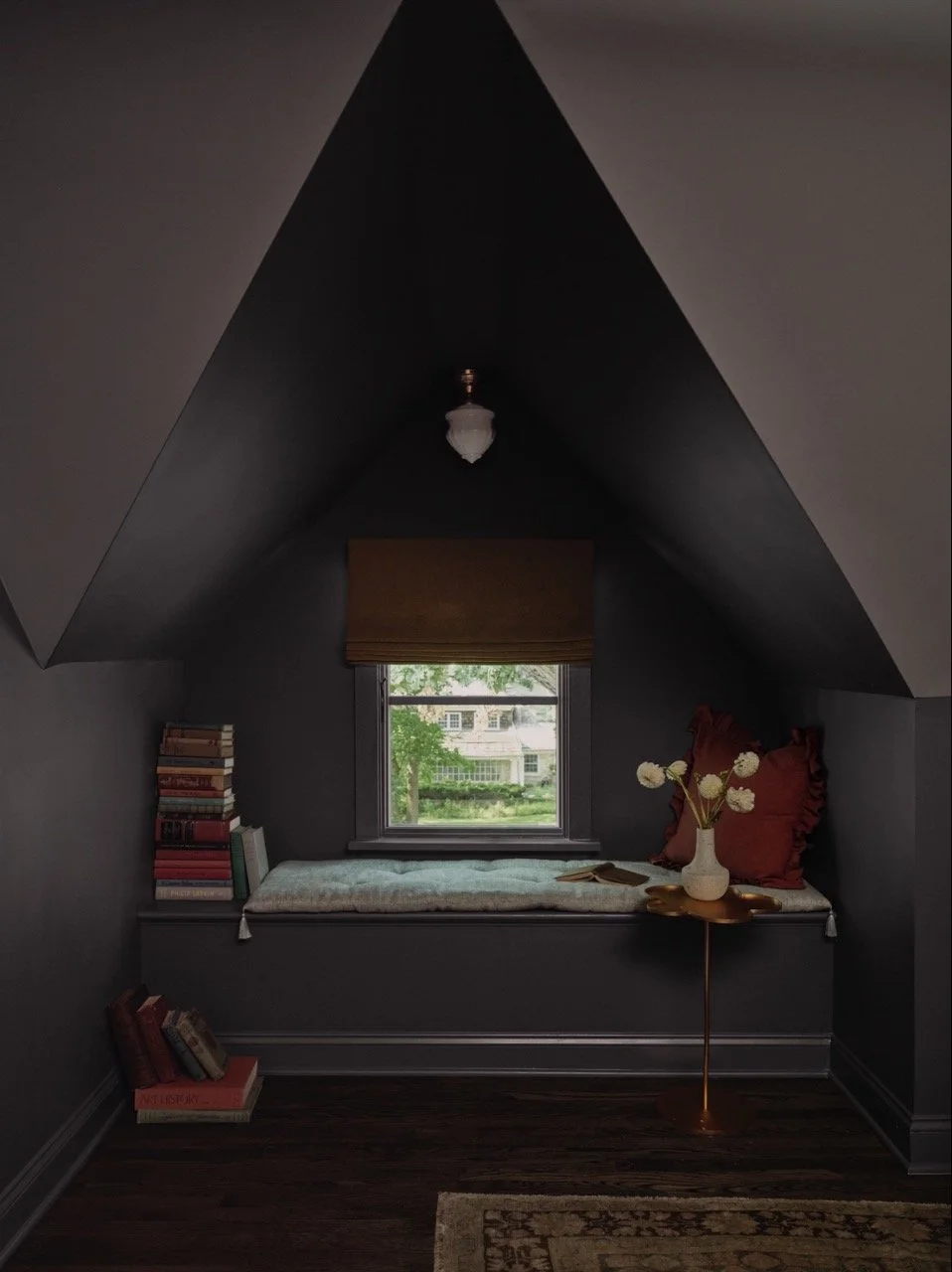
Historic homes weren’t designed for bright spaces. Lean into the moodier atmosphere rather than fighting it.
Systems absolutely need updating. Plumbing, electrical, and HVAC systems are often outdated or insufficient for modern life. Budget for this work—it's not glamorous, but it's necessary. The good news: the bones are typically sound, so you're investing in systems rather than structure.
Managing expectations matters. If you're coming from a newer home expecting everything to be perfect and pristine, a historic home may not be for you. These houses have character, which is sometimes code for "quirks." Floors may not be level. Walls have texture. Windows have imperfections. Learning to see these as features rather than flaws is part of embracing historic home living.
Budgets require strategic thinking. You can't do everything at once, and that's okay. Prioritize architectural work—getting the bones right—and layer in furnishings and cosmetic updates over time. Some of my favorite projects evolve in phases, with homeowners living in the space and making thoughtful additions as budget allows.
That ceiling medallion in my dining room? I'm still figuring it out. Maybe we'll find a historically accurate alternative. Maybe we'll do something completely different—a clear design choice rather than pretending to be original. The point is, even as a designer, I'm navigating the same questions and trade-offs as my clients.
What Historic Homes Offer You

Living in a historic home means becoming part of its ongoing story.
After all this talk of challenges, here's why it's worth it.
Historic homes give you character and design possibilities you can't achieve in new construction without spending exponentially more. You're getting architectural details and materials that are irreplaceable — rooms with story and soul.
You're also getting established neighborhoods—walkable, tree-lined, connected to Raleigh's history. There's something meaningful about being part of your home's next chapter, stewarding architecture that has sheltered families for generations and will continue long after you're gone.
These homes can be both historically sensitive and personally expressive. That's the sweet spot I aim for: spaces that honor the architecture while reflecting the people who live there. It's not about creating museums—it's about creating homes that feel gathered, layered, and alive.
If you're considering a historic home in Oakwood, Boylan Heights, Cameron Park, or any of Raleigh's character-rich neighborhoods, I'd love to talk about making it both beautiful and livable. Whether you're just starting to look or already living in a home that needs thoughtful updating, there's so much possibility in these spaces.
Making History Livable
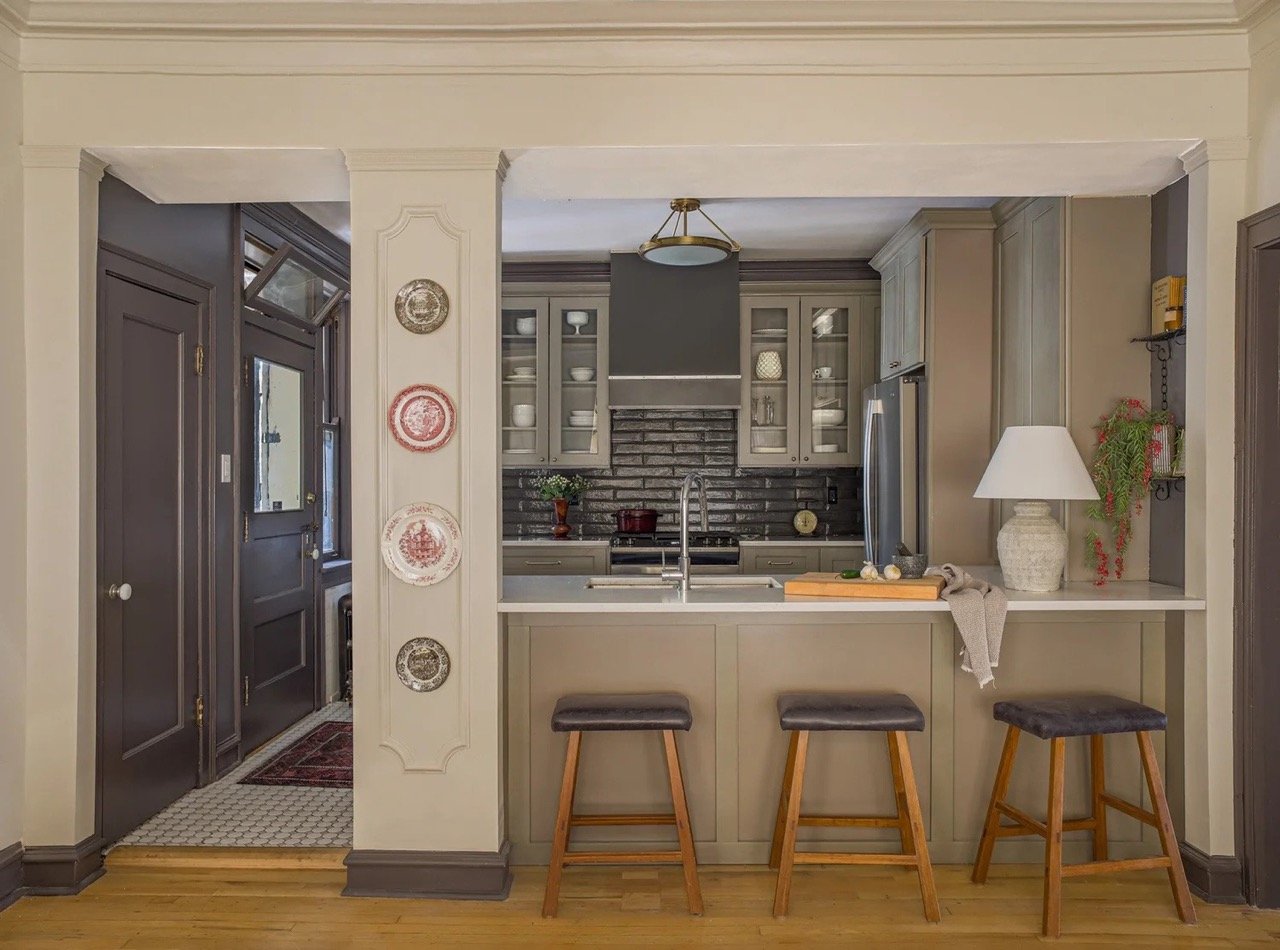
Updating systems while respecting original architecture is key to maintaining character and adding functionality.
What I love most about working on historic homes is contributing to their ongoing stories. These houses have already lived full lives, and our job is helping them continue evolving in ways that respect where they've been while embracing where they're going.
Historic homes don't have to be precious or untouchable. They can be warm, moody, eclectic, and entirely personal. They can accommodate your vintage furniture collection and your kids' playroom. They can host dinner parties and quiet mornings with coffee. They can be exactly what you need them to be—you just need to approach them with respect and creativity.
If you're living in or considering a Raleigh historic home, I'd love to hear your story. What drew you to your house? What challenges are you navigating? What makes you fall in love with it over and over?
Let's keep these beautiful homes alive, evolving, and deeply loved for another hundred years.